
Content Overview
How to Use Past Papers to Maximise Your Exam Results - Crestmont School
By Malika Teller

Preparing for GCSE and A-Level exams can feel overwhelming, but past papers are one of the most effective resources to help you succeed. They allow you to practise exam techniques, understand question patterns, and track your progress. Here’s how you can use past papers strategically to maximise your results.
1. Understand Exam Patterns
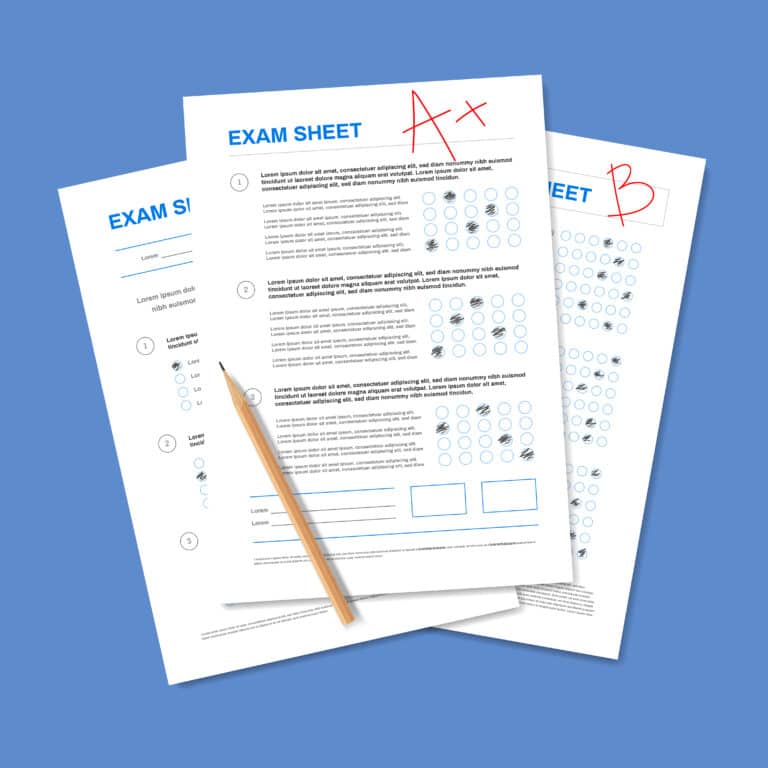
Past papers provide valuable insights into the structure of exams, including question types, mark distribution, and common themes. By reviewing them, you’ll become familiar with what to expect, reducing anxiety and building confidence.
For instance, you might notice that essay-based questions often require a structured response, while shorter questions focus on concise answers. This understanding helps you approach each section of the exam effectively.
2. Identify and Prioritise Key Areas

A thorough review of past papers allows you to identify recurring topics or themes. These are likely to appear in future exams, so focusing your revision on these areas can boost your preparation.
For example, in a science exam, certain concepts like photosynthesis or Newton’s laws may appear frequently. By mastering these topics, you can maximise your chances of earning high marks.
3. Improve Time Management
Practising under timed conditions is crucial for managing time effectively during exams. Use a stopwatch or timer to simulate the actual exam environment. Set realistic time limits for each section and practise completing questions within those constraints. This not only improves your speed but also helps you allocate enough time to tackle more challenging questions.
4. Refine Answers with Marking Schemes
Marking schemes are invaluable tools for understanding how examiners allocate marks. Review these schemes alongside past papers to refine your answers and ensure they meet exam requirements.
For instance, in an essay question, using specific keywords or phrases from the marking scheme can help you score higher. Learning how to present your answers in the expected format will give you a significant advantage.
5. Seek Support When Needed
Preparing for exams can be stressful, but you don’t have to do it alone. If you’re feeling overwhelmed, it’s important to seek support. Services like BenzandSpeen offer professional online sessions to help students manage exam-related stress and anxiety.
Their licensed mental health experts provide personalised guidance, ensuring you maintain a balanced approach to your studies and well-being. Remember, your mental health is as important as your academic preparation.

6. Track Your Progress Over Time
Regularly practising with past papers allows you to monitor your improvement. Keep a record of your scores and identify areas where you’ve made progress or need additional focus.
For example, if your performance in essay questions improves but you still struggle with multiple-choice questions, you can adjust your study strategy to address these gaps. Tracking progress helps you stay motivated and focused on your goals.
Final Thought

Past papers are a powerful tool for exam preparation, offering insights into exam patterns, refining time management, and highlighting key areas of focus. By using them regularly and seeking support when needed, you can build confidence, improve your understanding, and achieve your desired results.
Remember, preparation isn’t just about academics—it’s about taking care of your overall well-being. With the right strategies and mindset, you can approach your exams with confidence and success.